Recovery needs a voice.
Be heard.

Nothing About Us Without Us

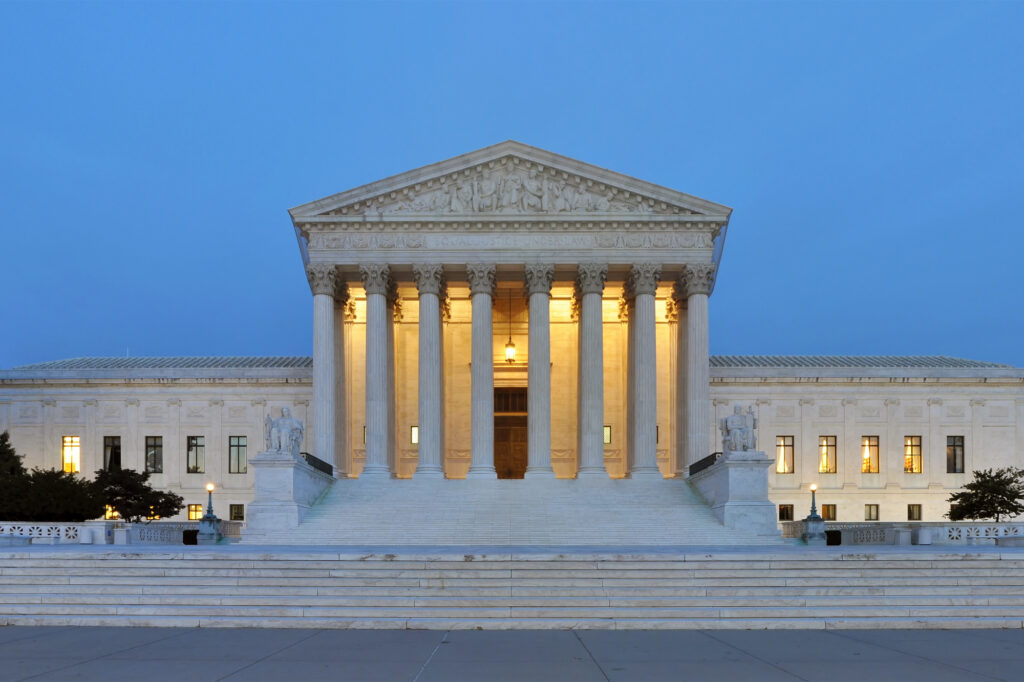
Too often, decisions are made at the Utah Capitol without the crucial perspective of those with lived and living experience. Stigma and misunderstanding lead to policies that create barriers to recovery.

We are organizing individuals and families in recovery, and their allies, into a powerful, unified voice. We educate policymakers and advocate directly for the resources and support our community needs.

GET INVOLVED

Ready to Make a Difference?

Becoming an advocate is easier than you think. Sign up to become a Recovery Voter and we’ll give you the tools, information, and opportunities you need to make your voice heard on the issues that matter most.

Your voice isn’t just welcome; it is absolutely indispensable.

Latest Updates

  • A Guide to Utah’s 2027 Legislative Session

    Utah’s 2027 General Session runs for 45 calendar days, from Tuesday, January 19, to Friday, March 5, 2027. During those six and a half weeks, 104 part-time lawmakers will debate hundreds of bills and build the state budget. For people in recovery, family members, peer support specialists, and allies, those 45 days directly shape whether…
  • Navigating Changes to Medicaid in Utah

    Access to compassionate, comprehensive healthcare is a fundamental civil right. When individuals and families have the medical support they need, recovery is not just possible—it is expected. However, the political landscape is shifting, and our right to access care is under attack. Following the passage of the federal One Big Beautiful Bill Act (OBBBA), sweeping…
  • The Right to Recover in the Community

    Why the Olmstead Decision Matters for Utah In the ongoing fight to build a behavioral health system that truly serves Utahns, we must remember that recovery is a civil rights issue. When we advocate at the Utah State Capitol for mental health parity, recovery housing, and peer support, we are building on the foundation of…
  • How to Become a Certified Peer Support Specialist (CPSS) in Utah

    Lived experience is one of our most powerful resources for healing. If you have navigated the challenges of mental health or substance use conditions and found a path to recovery, your story has the power to change lives, dismantle stigma, and build a more compassionate community. One of the most impactful ways to use your experience is by becoming a Certified Peer Support Specialist (CPSS).
  • Rethinking Behavioral Health and Justice

    For those of us in the recovery community, the intersection of the criminal justice system and behavioral health is an all-too-familiar reality. Too often, jails become default holding centers for individuals experiencing mental health crises or substance use disorders. In late 2025, Salt Lake County leaders engaged the Leifman Group—led by Judge Steve Leifman, renowned for his transformative work in Miami-Dade County—to evaluate local systems and provide actionable recommendations. The resulting report, outlines a roadmap for how Salt Lake County can improve public safety, reduce recidivism, and enhance outcomes for those with behavioral health needs.
  • How Naloxone Works to Reverse an Overdose

    One of the most persistent myths surrounding overdose reduction efforts is the idea that carrying naloxone (often known by the brand name Narcan) somehow “enables” drug use. This misconception stems from a fundamental misunderstanding of what naloxone actually does inside the human body. To dismantle this myth, we have to look at the science.
  • Utah’s Healthcare Safety Net: Medicaid Expansion

    Recovery is a deeply personal journey, but it requires systemic support. One of the most critical factors in whether someone can sustain long-term recovery is their access to reliable healthcare. Without it, individuals often struggle to navigate the complex hurdles of treatment and rehabilitation. In Utah, Medicaid and the Targeted Adult Medicaid program serve as vital lifelines for behavioral health.
  • Understanding Dual Diagnosis: Why Treating Mental Health and Substance Use Together Matters

    For decades, the healthcare system treated substance use disorders and mental health conditions as two entirely separate issues. If someone sought help for depression while also struggling with alcohol use, they were often told to “get sober first” before their mental health could be addressed. Or conversely, their mental health was treated while their addiction was largely ignored. Today, we know that this siloed approach is not only ineffective but can be actively harmful. The reality is that mental health and substance use are deeply intertwined.
  • What Are Peer Support Services? The Missing Link in Sustained Recovery

    A Certified Peer Support Specialist (CPSS) is a trained professional who uses their own lived experience with substance use or mental health challenges to help others navigate similar paths. They are not just well-meaning volunteers. In Utah, a CPSS undergoes rigorous state-approved training and certification. They are taught how to ethically share their story, provide trauma-informed care, set healthy boundaries, and connect individuals with community resources.
  • The Power of the Recovery Voter in the 2026 Elections

    In November, Utahns will head to the polls. Every seat in the Utah House of Representatives and half the seats in the Utah State Senate are on the ballot. For the recovery community, the 2026 elections are not just about partisan politics; they are about protecting our lives, our health, and our futures. Here is why your vote is critical this year, and what is at stake for behavioral health in Utah.

Get Updates